
Our Vintage & Antique Jewelry Blog
Unique Vintage Jewelry in New York
At Doyle & Doyle, our mission is to help our customers learn about - and fall in love with - vintage and antique jewelry, in a fun, welcoming environment. As experienced collectors of engagement rings, bracelets, necklaces, and antique jewelry of all kinds, we've curated an inventory of unique and one-of-a-kind jewelry that features exceptional pieces from many historic periods. We’re excited to help you explore our collection to find a piece you love!
Categories
Categories



















Doyle & Doyle Hosts Beth Bernstein’s Book Launch

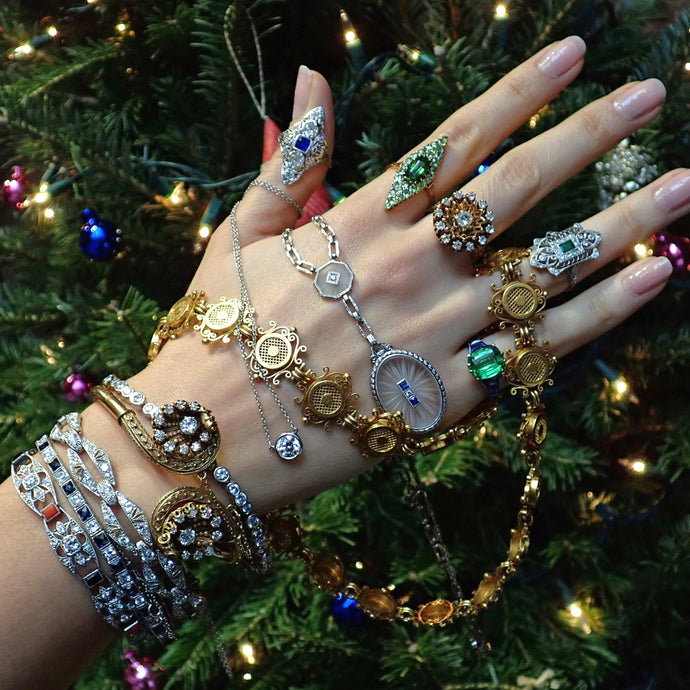
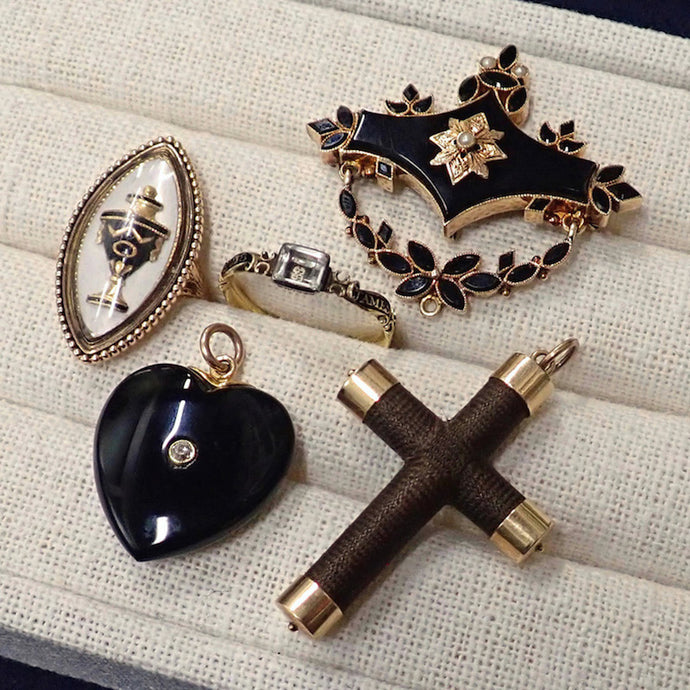
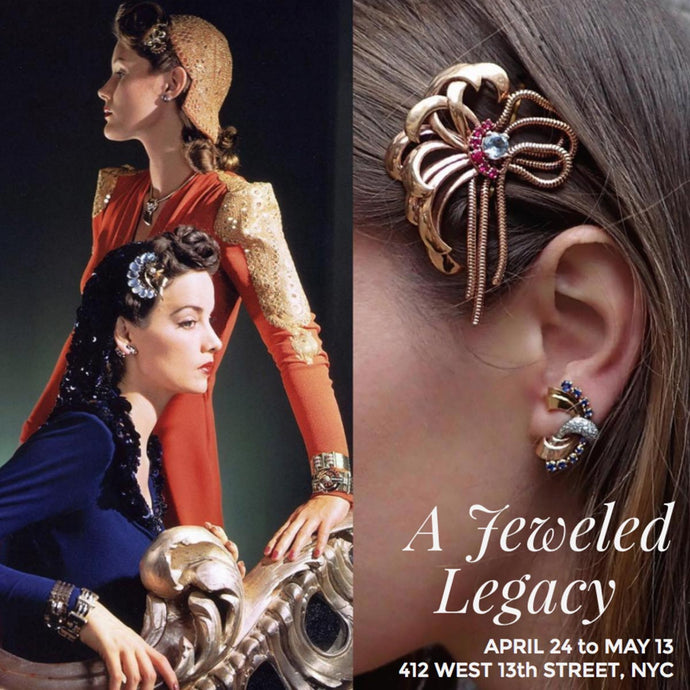
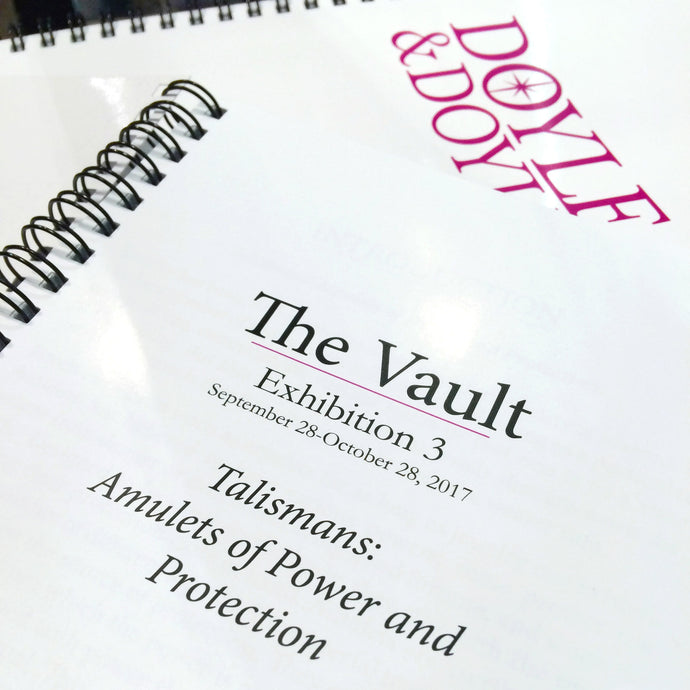
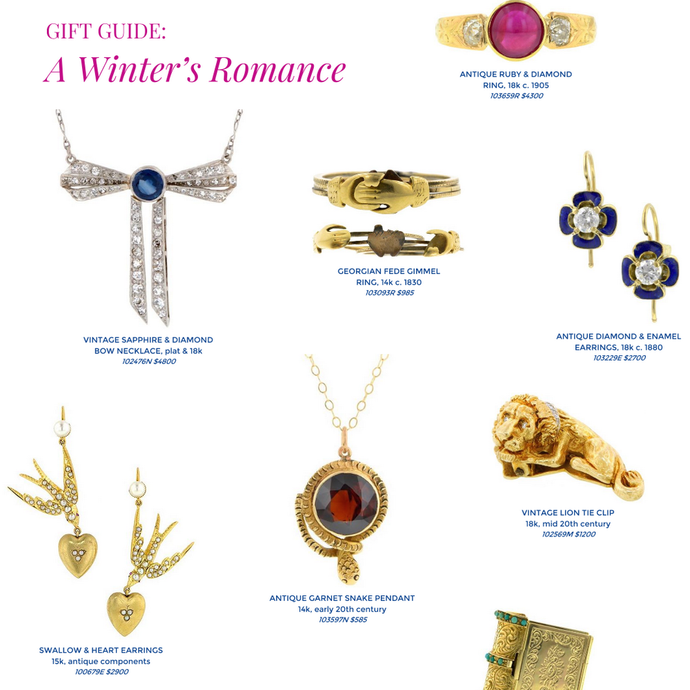
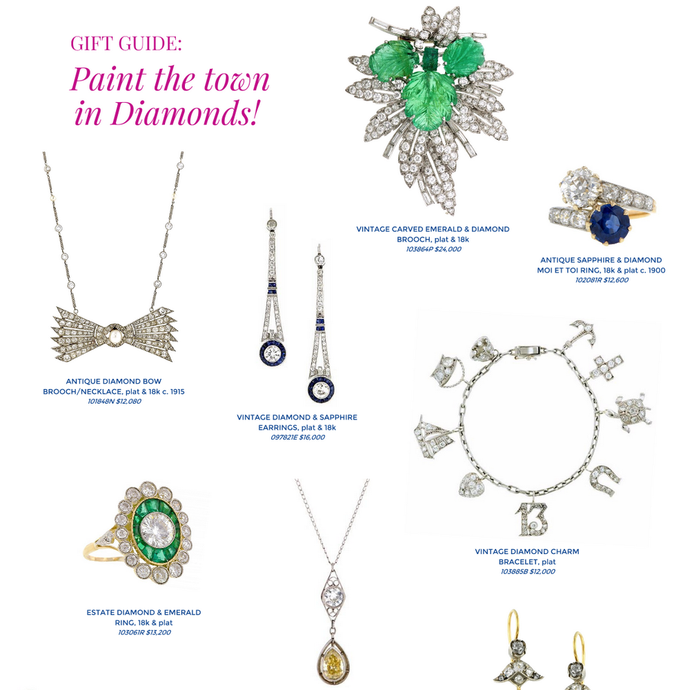
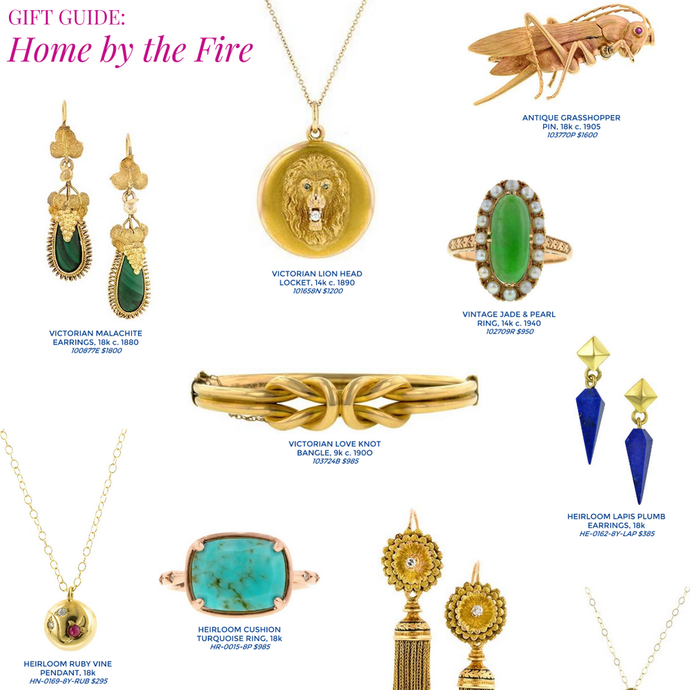
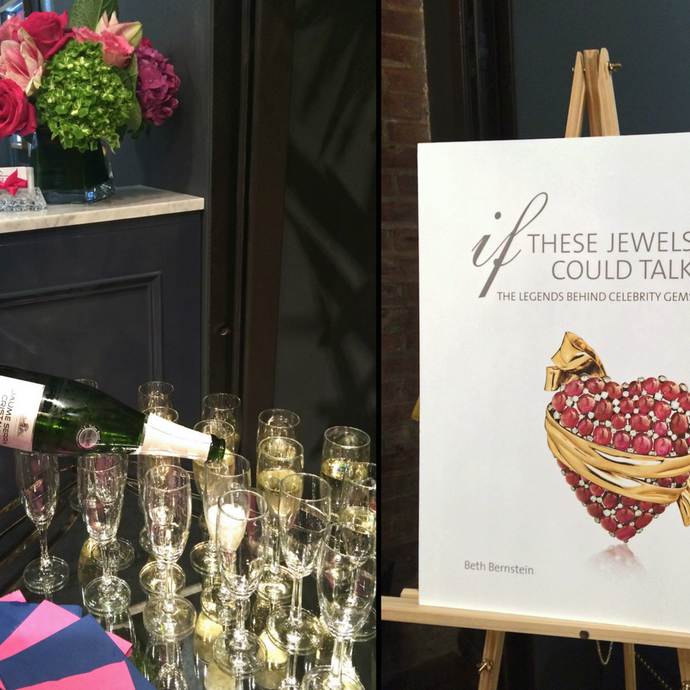
Last week, we were thrilled to host the launch party for Beth Bernstein’s new book, If These Jewels Could Talk: The Legends Behind Celebrity Gems. Inspired by one of the chapters, we exhibited a specially curated collection of sentimental jewelry, including vintage charm bracelets, colorful carved gems, and diamond encrusted brooches. See the full exhibition catalog here.

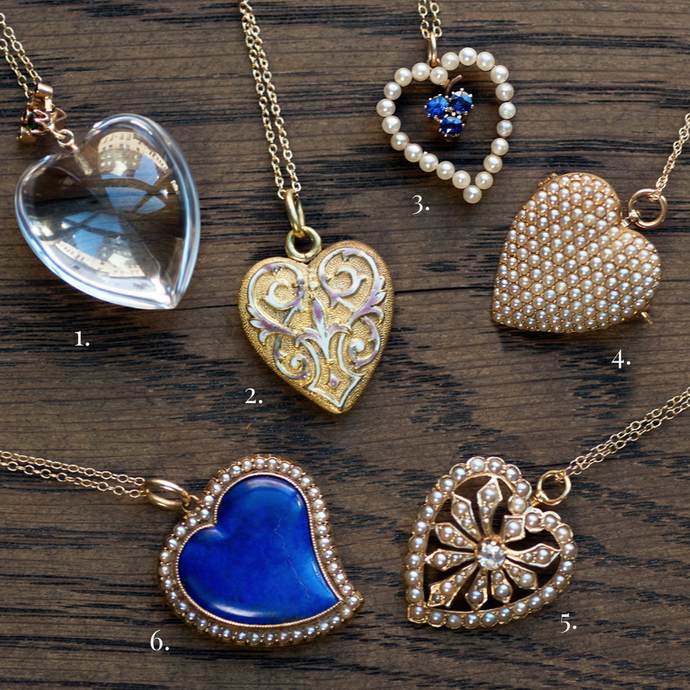
Sentimental Jewels Inspired by Beth Bernstein’s “If These Jewels Could Talk”
 We’re excited to introduce Beth Bernstein, author of the new book, If These Jewels Could Talk: The Legends Behind Celebrity Gems. Beth is a gifted writer and jewelry expert, whose passion has introduced her to a world of fabulous jewels and people. She shares her wisdom through numerous articles, design, and jewelry consulting. Her previous two books are My Charmed Life: Rocky Romances, Precious Family Connections and Searching For a Band of Gold and Jewelry’s Shining Stars: Shaping Today’s Collectibles and Tomorrow’s Heirlooms.

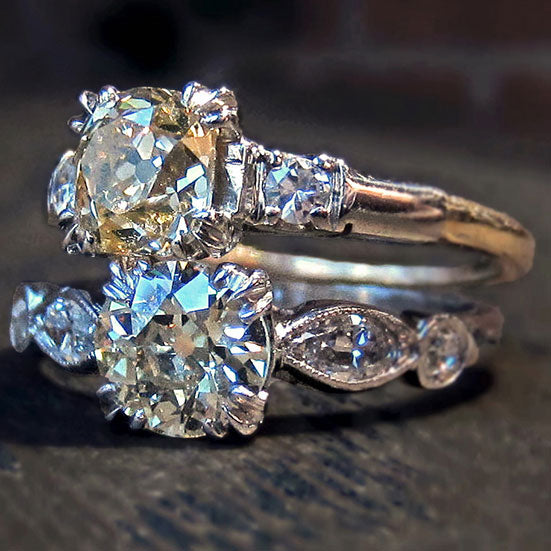
Yellow Diamond Duo: Engagement Ring(s!) of the Week

We see a lot of fancy colored diamonds in celebrity engagement rings, but did you know that yellow diamonds have been popular for over a hundred years? Vintage fancy yellow diamonds, cut as cushions, Old Mine cuts, or Old European cuts, have a dramatic golden sparkle that elevates the most simple of settings to something really special. We were so inspired that we chose two Engagement Rings of the Week, one warmer hue set in gold from the 1940s and one cooler tone set in platinum from the 1960s.
Meet Virtually With Our Team
Whether you want to learn about the history of antique jewelry, get practical advice about styling or caring for your vintage jewelry, or information on store happenings, our blog will keep you in the know. Email info@doyledoyle.com, or contact us online to find out more about our jewelry collection. We’re happy to answer all your questions.